Attic Mold Removal in Dallas, TX
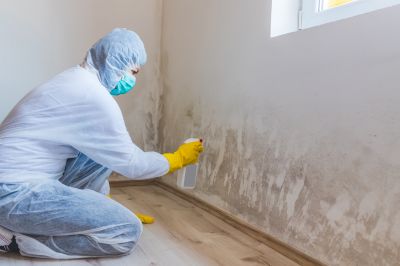
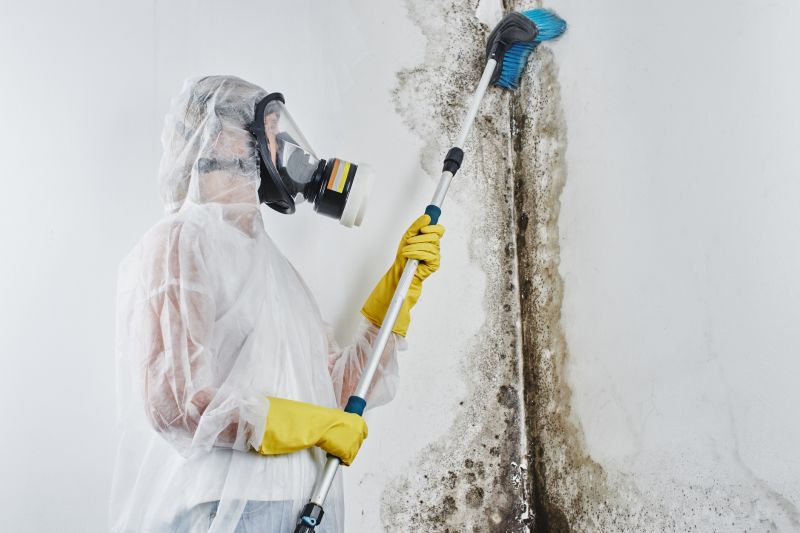
Attic mold removal services focus on identifying and eliminating mold growth that occurs in attic spaces due to excess moisture, poor ventilation, or roof leaks. These projects typically involve inspecting the attic for visible mold, assessing the extent of contamination, and safely removing mold-affected materials such as insulation, drywall, or framing. Proper removal helps prevent mold spores from spreading to other parts of the home, improving indoor air quality and reducing potential health risks for residents.
Homeowners interested in attic mold removal should understand the importance of early detection and the conditions that contribute to mold growth. Before requesting service, property owners often want to know about the scope of mold present, the types of materials affected, and the necessary steps to prevent future growth. Ensuring proper ventilation, controlling humidity levels, and addressing any underlying leaks are common considerations to maintain a healthy attic environment.
Many property owners in Dallas, TX look into Attic Mold Removal for repairs, replacements, upgrades, and appearance-related improvements.
Identifying Attic Mold
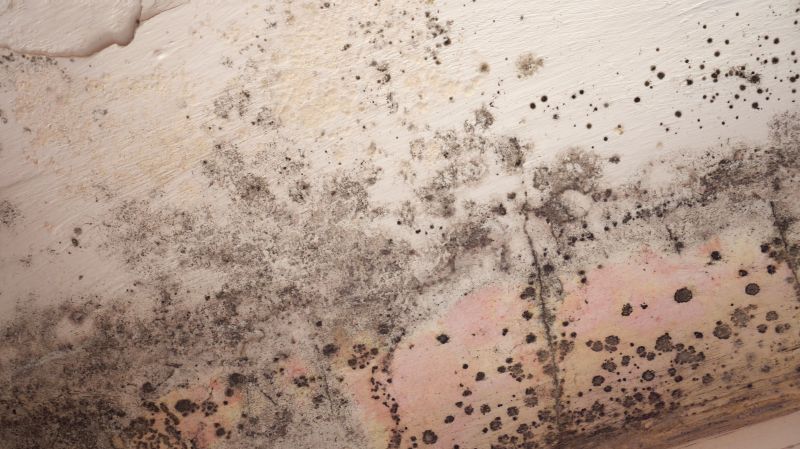
Signs of mold in the attic can include musty odors and visible discoloration on surfaces.
Health And Property Risks
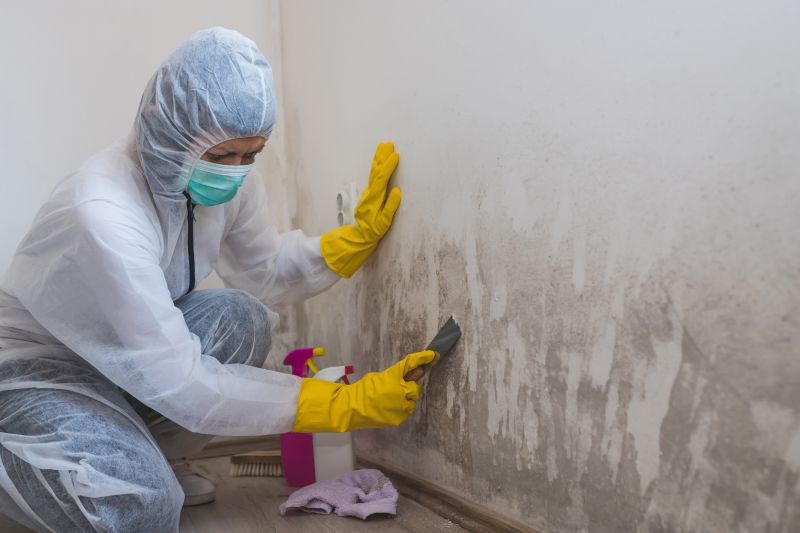
Attic mold can cause health issues and damage insulation and structural components if not addressed.

Prevention And Maintenance
Regular inspections and proper ventilation help prevent mold growth in attics across dallas and nearby areas.
Attic Mold Removal in Dallas, TX

Attic mold removal services focus on identifying and eliminating mold growth that occurs in attic spaces due to excess moisture, poor ventilation, or roof leaks. These projects typically involve inspecting the attic for visible mold, assessing the extent of contamination, and safely removing mold-affected materials such as insulation, drywall, or framing. Proper removal helps prevent mold spores from spreading to other parts of the home, improving indoor air quality and reducing potential health risks for residents.
Homeowners interested in attic mold removal should understand the importance of early detection and the conditions that contribute to mold growth. Before requesting service, property owners often want to know about the scope of mold present, the types of materials affected, and the necessary steps to prevent future growth. Ensuring proper ventilation, controlling humidity levels, and addressing any underlying leaks are common considerations to maintain a healthy attic environment.
Many property owners in Dallas, TX look into Attic Mold Removal for repairs, replacements, upgrades, and appearance-related improvements.
Common Attic Mold Removal Jobs
Attic mold removal - eliminates mold growth caused by excess moisture or poor ventilation.
Mold remediation in attics - addresses mold issues that can affect indoor air quality and home safety.
Attic mold cleaning - involves thorough cleaning to remove mold spores and prevent future growth.
Mold damage repair in attics - restores structural elements affected by mold contamination.
Attic mold inspection services - identifies the presence and extent of mold growth in attic spaces.
Moisture control solutions for attics - reduces humidity levels to prevent mold from returning.

Attic Mold Removal Questions
What causes attic mold growth? Attic mold can develop due to excess moisture, poor ventilation, and temperature fluctuations that create a damp environment.
How can attic mold affect a home? Mold in the attic can lead to structural damage, musty odors, and potential health concerns for occupants.
What signs indicate attic mold presence? Visible black or green spots, a musty smell, or increased humidity levels may suggest mold growth in the attic.
Why is professional removal important? Professionals ensure thorough mold removal and proper remediation to prevent future growth and protect property value.
Request Attic Mold Removal in Dallas, TX
Use the quote form on this page to share the basics of your project and request more information for the type of work you need.